
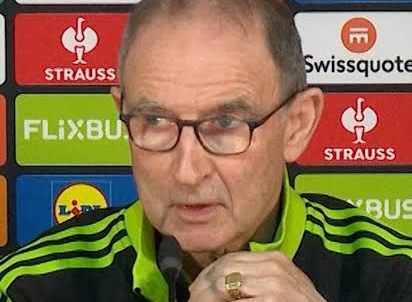
In the intensity of the 2025/26 Scottish Premiership title race, few moments have generated as much reaction as Martin O’Neill’s brutally honest post-match comments following Celtic’s hard-earned 2-1 win away to Dundee on 5 April 2026.
At 74, the veteran manager, back at the club where he once built a legacy, delivered a striking admission that quickly spread across media and social platforms. For the first time, he openly questioned whether his own players truly had the desire to win the title.
The context made his words even more powerful. Celtic arrived at Dens Park under pressure, needing a response after a disappointing 2-0 defeat to Dundee United just weeks earlier. That performance, particularly in the second half, had raised serious concerns about the team’s mentality and fight.
Reflecting on that setback, O’Neill admitted he had doubts. He explained that, during that match, his side lacked the hunger and urgency required at such a crucial stage of the season. The defeat lingered, giving him time to reflect and challenge both himself and his squad ahead of the trip to Dundee.
What followed was a response he had demanded. Celtic started with purpose, took the lead, and despite being pegged back after a penalty from Simon Murray, they showed resilience. The decisive moment came late on when Kelechi Iheanacho struck in the 82nd minute to secure all three points.
The victory pulled Celtic within touching distance of league leaders Hearts, keeping them firmly in the hunt alongside Rangers in what has become a tightly contested title race.

Why His Words Carried So Much Weight
O’Neill’s comments resonated because of their rarity. Known for his composure and measured approach in public, he is not a manager who often questions his players’ mentality so directly.
By admitting he had doubted their hunger, he exposed a side of the dressing room rarely seen publicly. For many fans, it was refreshing honesty. For others, it raised concerns about deeper issues within the squad during a season marked by inconsistency.
In Scottish football, where mentality often defines success as much as quality, such a statement from a figure of O’Neill’s stature was significant. It came during a campaign where Celtic have struggled for rhythm at times, despite being defending champions chasing another title.
A Response on the Pitch
What mattered most to O’Neill, however, was the reaction. He made it clear that his players had responded with renewed determination. From the opening whistle against Dundee, there was a visible shift in urgency and intent.
While he acknowledged ongoing issues, particularly in front of goal, he praised the character shown to regain control after conceding. Rather than focusing on refereeing decisions or VAR, he kept the emphasis on mentality. For him, the difference was clear: the team had rediscovered its edge.
The Bigger Picture in the Title Race
Celtic’s win came at a crucial moment. With Hearts dropping points and Rangers also facing challenges, the gap at the top narrowed significantly. With games still to play, momentum could yet swing in any direction.
O’Neill has consistently maintained that no team will win every remaining match. His experience in title run-ins gives him confidence that the race is far from over. However, he has also warned that any further slip-ups could prove decisive.
The squad, blending experienced players with newer additions, has the quality. The real question, as O’Neill himself highlighted, is whether they can maintain the necessary hunger and consistency.
A Viral Moment That Says Everything
The interview quickly went viral, with fans and pundits dissecting every word. Some praised the honesty of a manager still deeply invested in the game. Others saw it as a warning sign at a critical stage of the season.
O’Neill himself appeared exhausted after the match, even joking about how drained he felt. But his message was unmistakable. His players had answered his doubts with their performance.
What It Reveals About O’Neill
This episode highlights the core of O’Neill’s management philosophy. Throughout his career, he has prioritised character, resilience, and desire. His success in his first spell at Celtic was built as much on mentality as on talent.
Now, in what could be one of the final chapters of his managerial career, he has shown he is still willing to challenge his players when standards fall short, and just as ready to praise them when they respond.
For Celtic supporters, it has been a season of highs and frustrations. But if this moment proves anything, it is that O’Neill’s influence remains strong.
His words were not a sign of crisis, but of leadership. By voicing doubts he had never expressed before, he may have sparked exactly the reaction his team needed.
As the title race enters its decisive phase, one thing is certain: Celtic will fight. Whether that fight is enough to reclaim the top spot remains to be seen, but under O’Neill, there will be no shortage of belief or demand for commitment.
