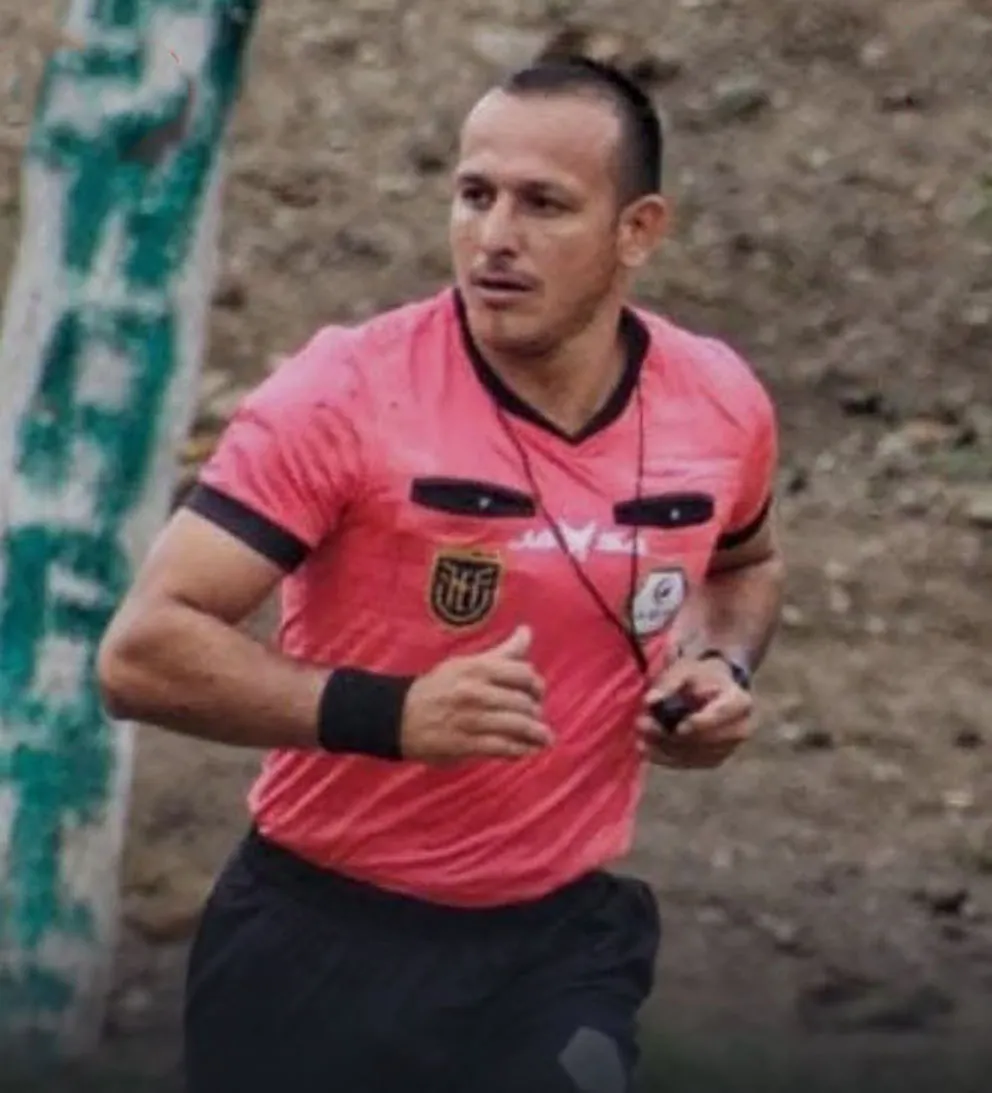
The shocking events that unfolded on a dusty amateur football pitch in Pasaje, Ecuador, have sent waves of grief and outrage far beyond the local community, exposing the harsh reality that violence can reach even the most grassroots levels of the sport.
What should have been a routine Sunday afternoon match instead became a scene of terror. On April 12, 2026, 48-year-old Javier Ortega — a respected referee and organizer of neighborhood tournaments — was fatally shot in broad daylight during a barrio football game.
Gunmen Storm Pitch in Broad Daylight
Witnesses say the attack happened without warning. Armed men reportedly stormed onto the pitch mid-game, approached Ortega in full view of players and spectators, and opened fire. The sound of gunshots instantly shattered the atmosphere of what had moments earlier been a lively community event.
Players froze in shock, fans screamed, and families scrambled for safety as chaos erupted across the field. The attackers quickly fled the scene, disappearing into nearby streets.
Emergency responders rushed Ortega to a nearby hospital, but despite efforts to save him, he died shortly after arrival.
A Community Match Turned Tragic
The incident took place at Cancha Los Álamos in the Los Naranjos area of Pasaje, located in Ecuador’s El Oro province. The match was a typical barrio competition — informal, community-driven, and filled with local players, families, and supporters.
There was no heavy security presence, no stadium infrastructure — just a shared love of football bringing people together. Ortega, a familiar face in these tournaments, was deeply involved in organizing and officiating matches in the area.
While reports differ on whether he was officiating at the time or attending as an organizer, his visibility and importance within the local football scene made him a central figure on the day.
A Targeted Attack Under Investigation
Authorities have launched an investigation into what they describe as a suspected targeted killing. Police have collected evidence from the scene, reviewed footage recorded by bystanders, and begun interviewing witnesses.
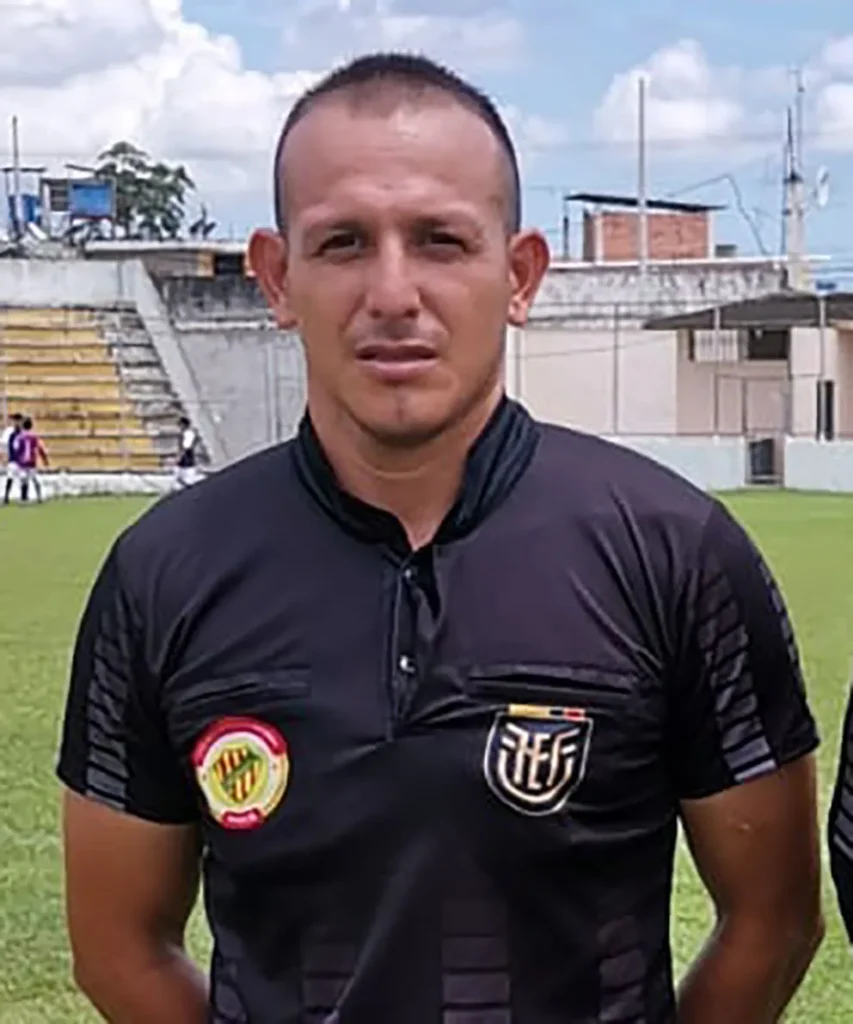
Despite these efforts, no arrests have been made so far, and the motive behind the attack remains unclear. The calculated and public nature of the shooting suggests it was not a spontaneous act, but rather a premeditated assault.
Remembering Javier Ortega
For the people of Pasaje, the loss of Javier Ortega goes far beyond football. He was more than just a referee — he was a pillar of the local sporting community.
For years, Ortega dedicated his time to organizing tournaments and ensuring fair play in neighborhood competitions. He was known for his commitment, his fairness, and his passion for keeping grassroots football alive.
Tributes have poured in from players, fellow officials, and residents. Candlelight vigils have been held in his memory, and local competitions have reportedly been suspended as a mark of respect.
Rising Concerns Over Safety in Grassroots Football
This tragedy has reignited concerns about safety in amateur football, particularly in regions facing rising crime rates. Unlike professional matches, grassroots games often lack even basic security measures, leaving players, officials, and fans vulnerable.
Refereeing associations and community leaders are now calling for urgent reforms, including improved security presence at local matches, better event organization, and stronger coordination with authorities.
The incident has also sparked wider discussions about the imbalance in football, where the professional game receives vast resources while the grassroots level — the foundation of the sport — is often overlooked.
A Wake-Up Call for the Football World
Javier Ortega’s death is a stark reminder that football does not exist in isolation from society. When violence becomes part of everyday life, even the game meant to unite communities can become a stage for tragedy.
Questions remain unanswered: Who carried out the attack? Why was Ortega targeted? And what can be done to prevent such incidents in the future?
As investigations continue, one thing is clear — this must not become just another statistic. It must serve as a turning point.
Grassroots football is the heartbeat of the sport. Those who dedicate their lives to it deserve protection, respect, and safety. Without that, the very spirit of the beautiful game is at risk.
